Bangkok
Bangkok
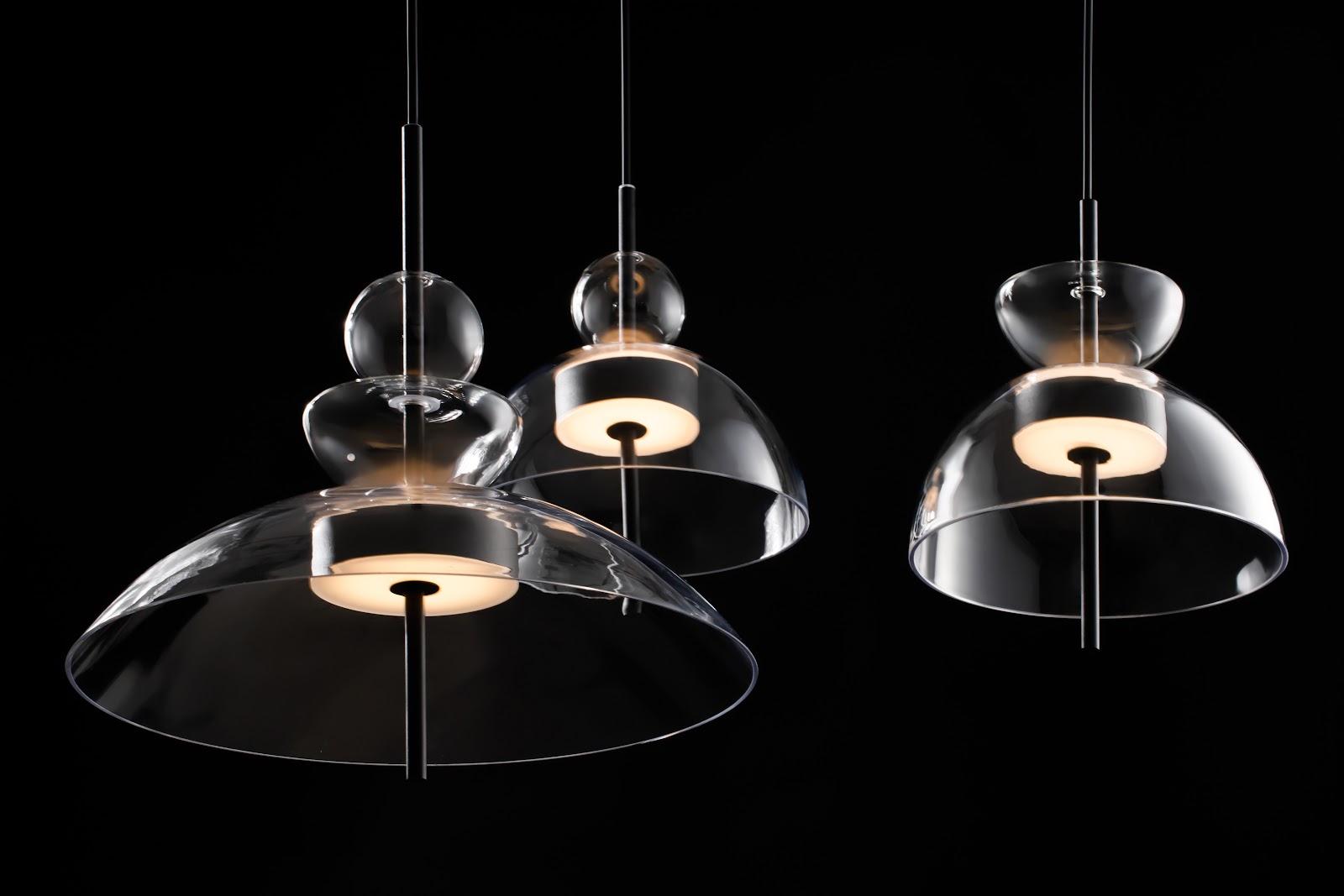
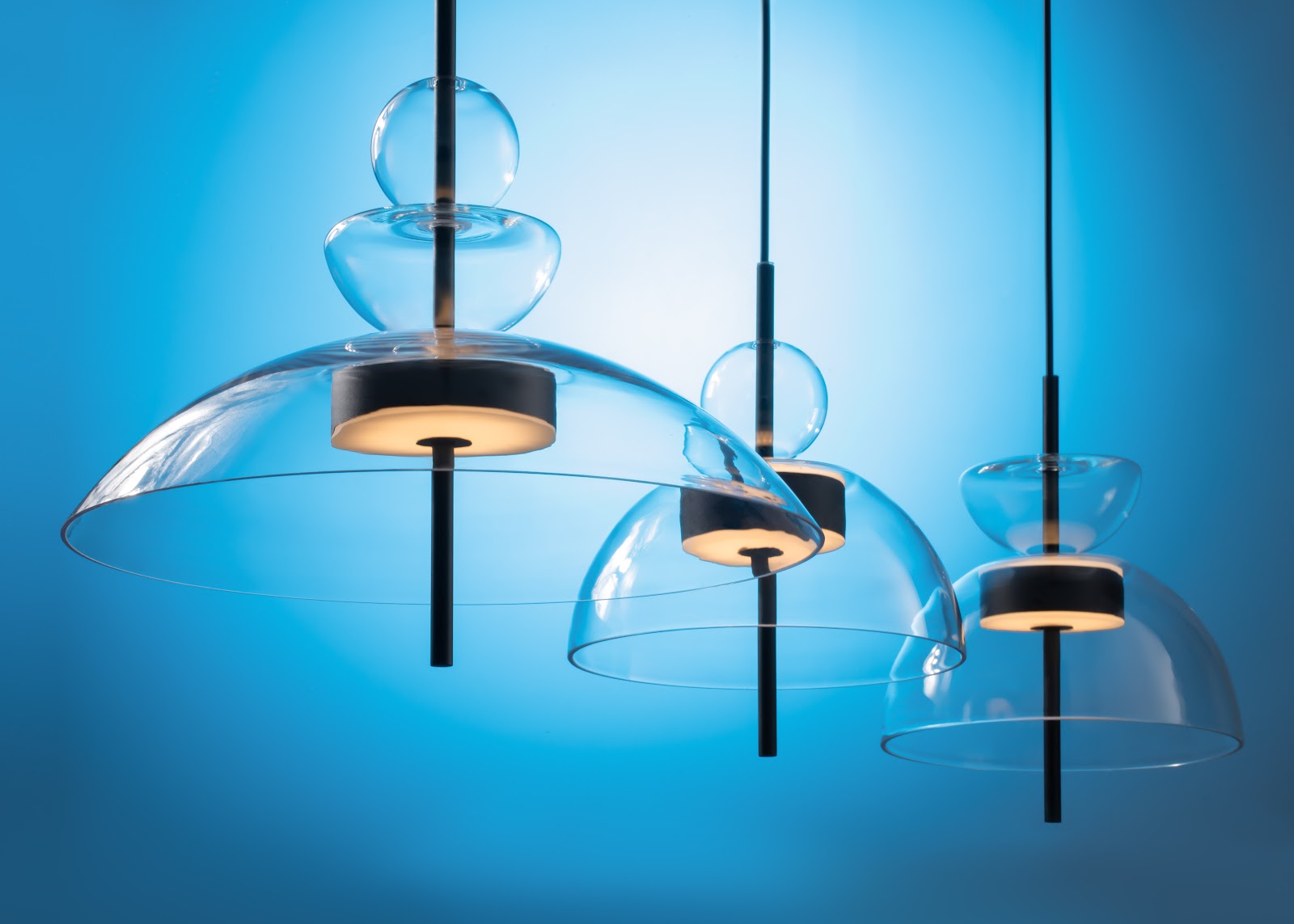
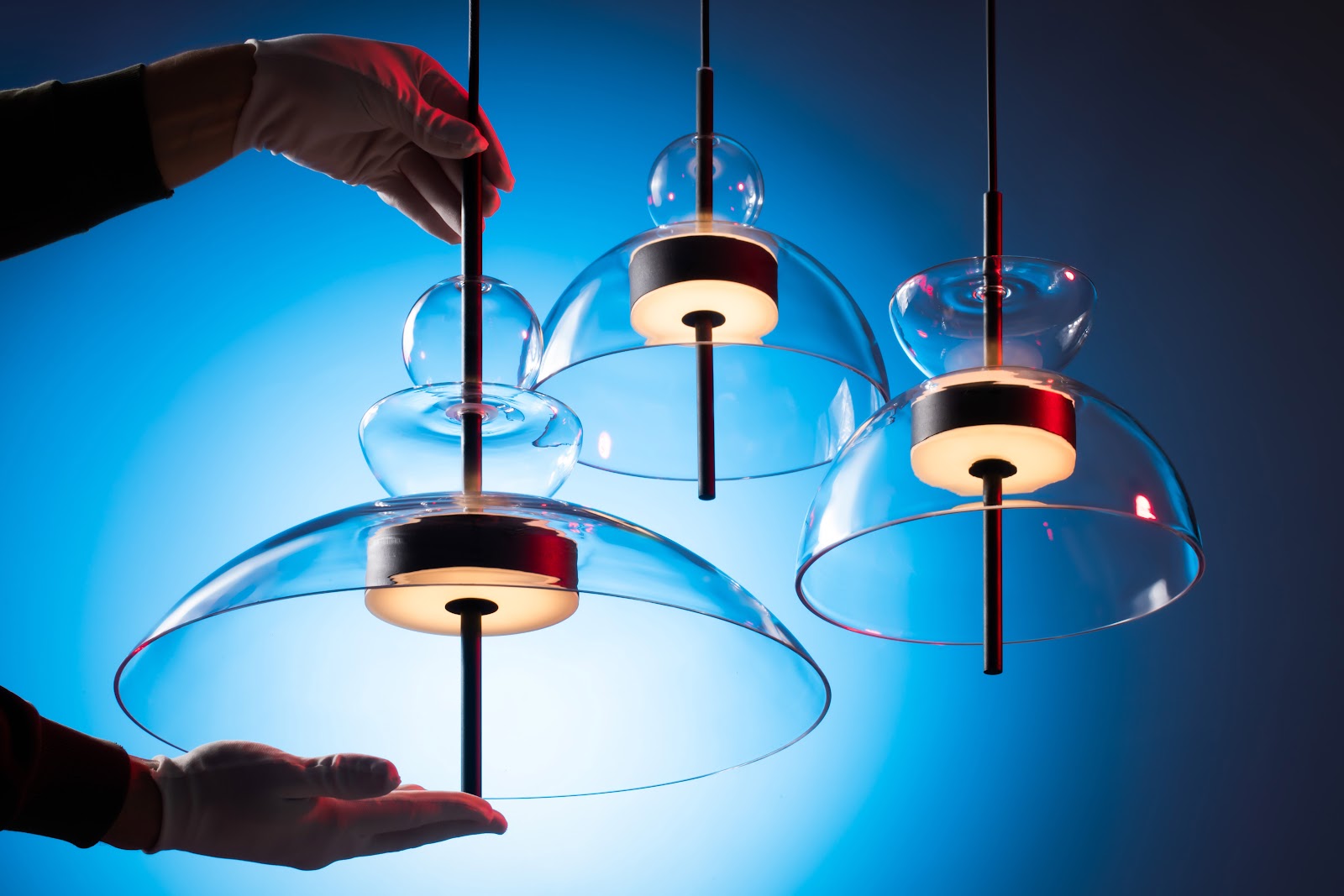
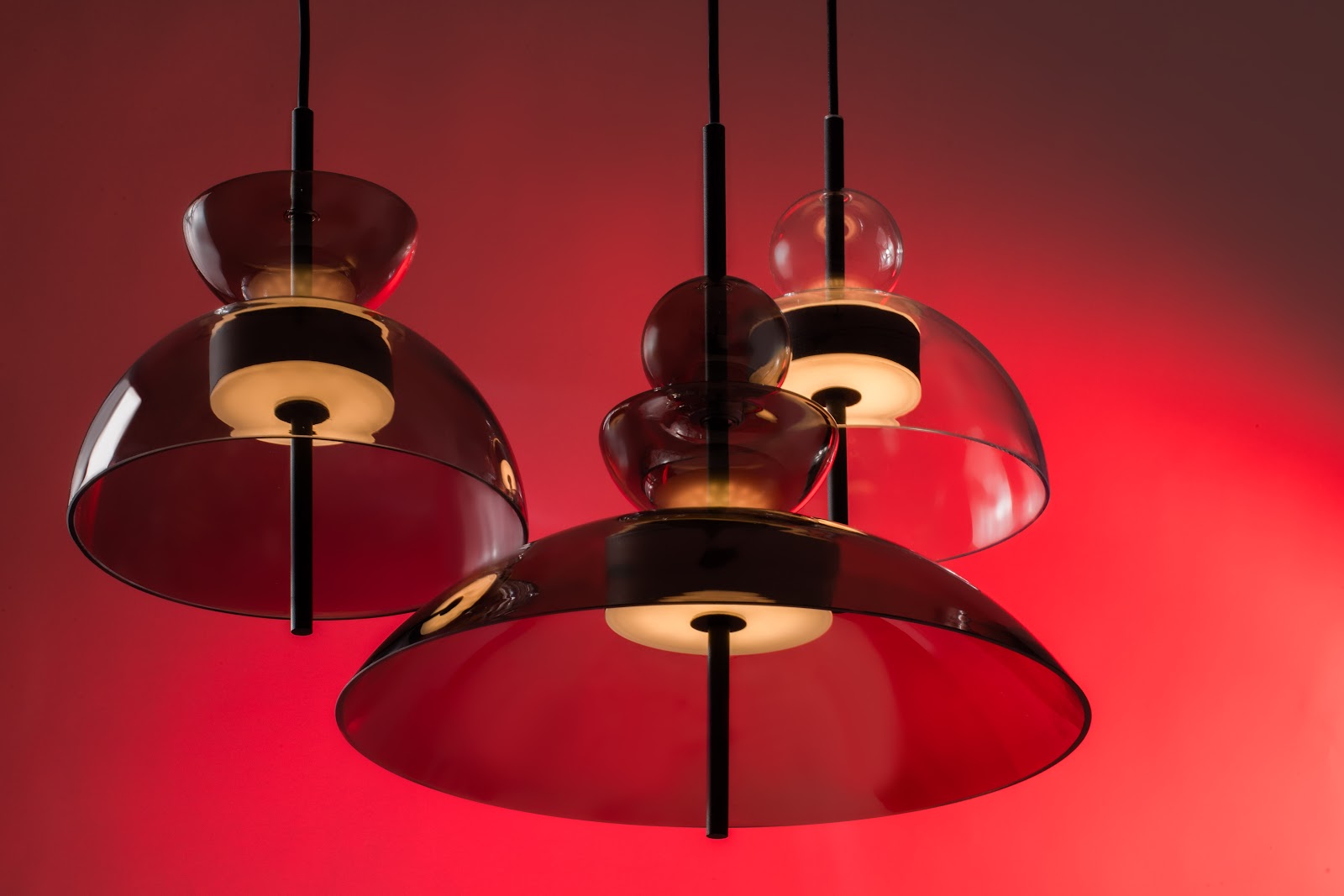
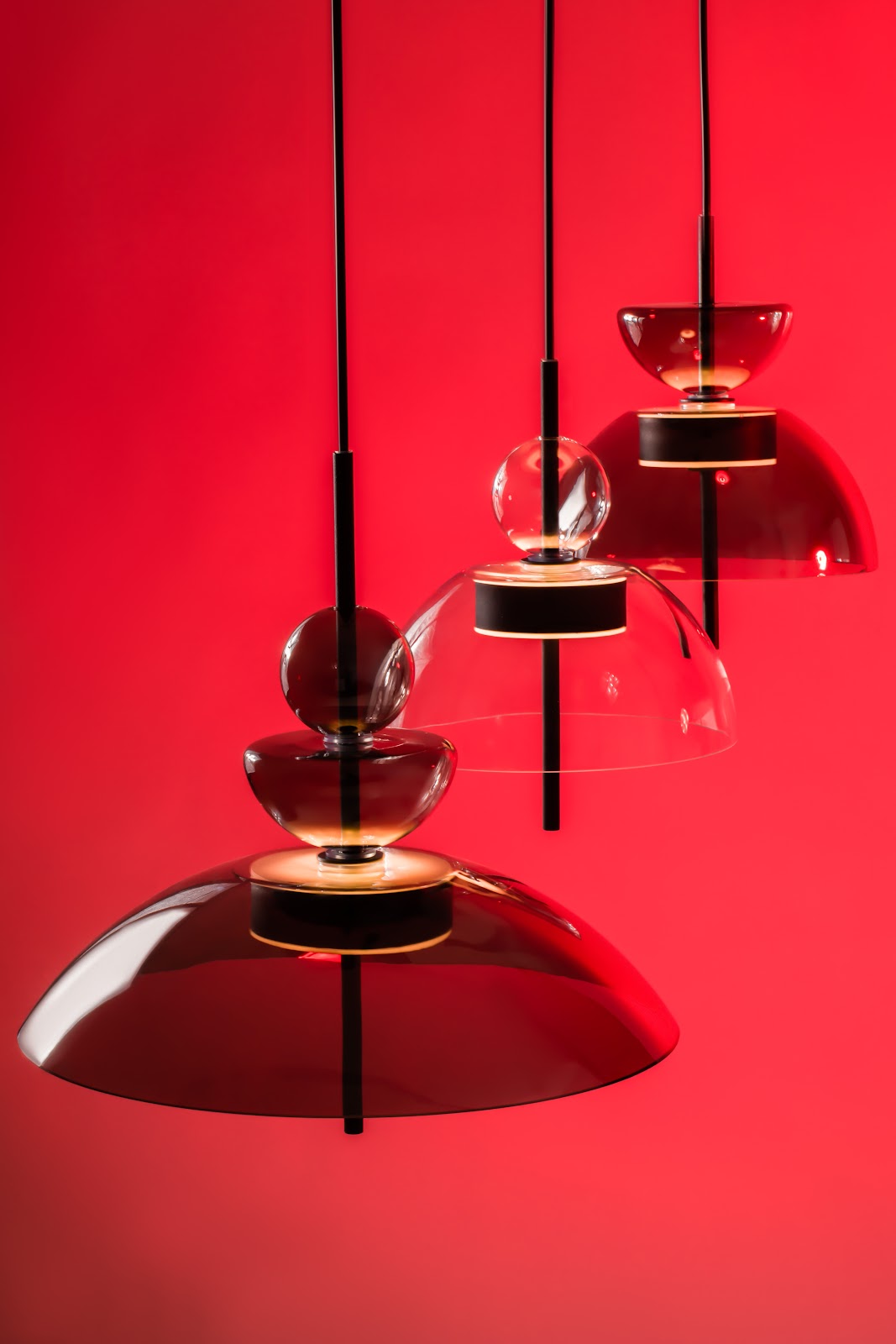
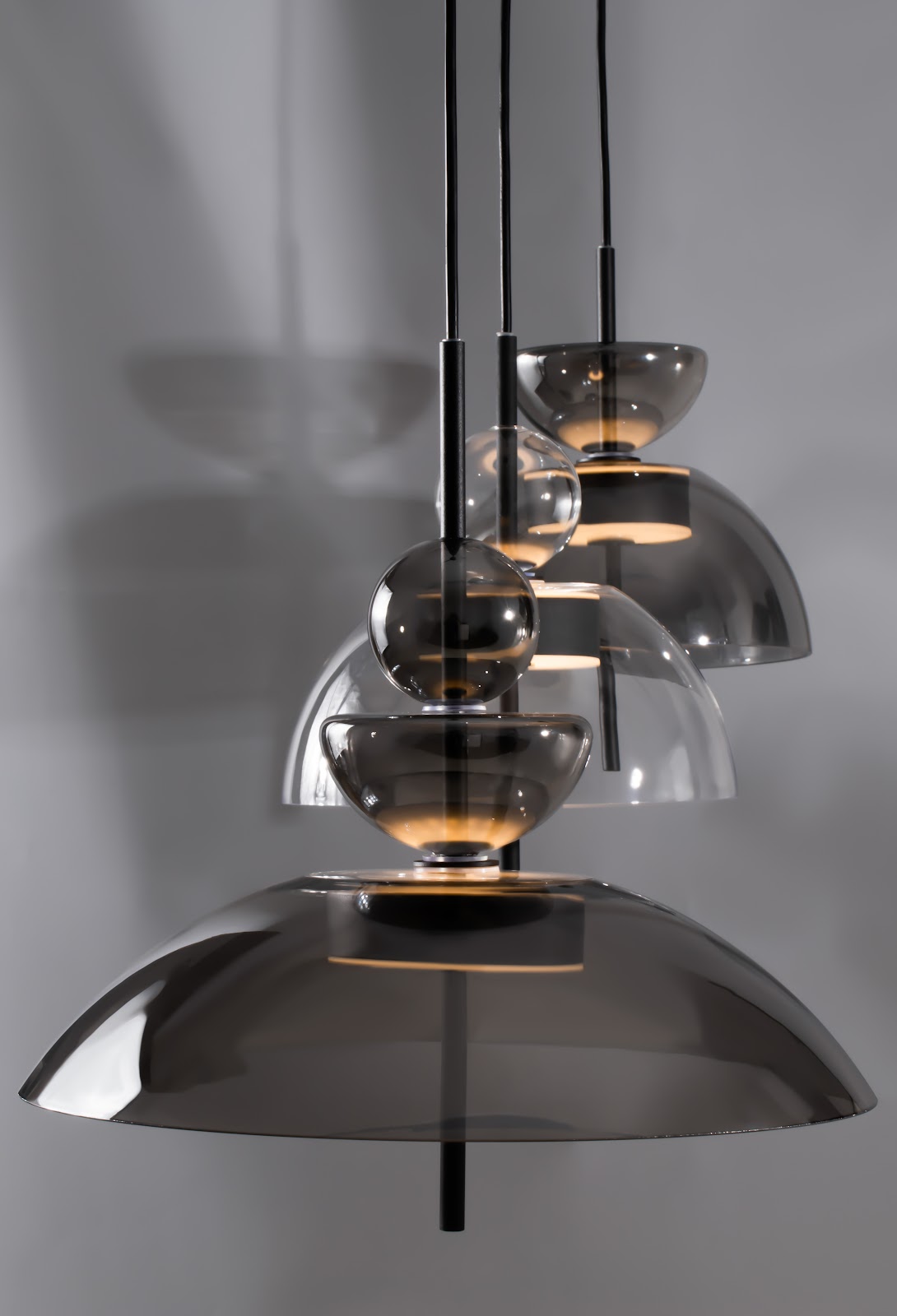
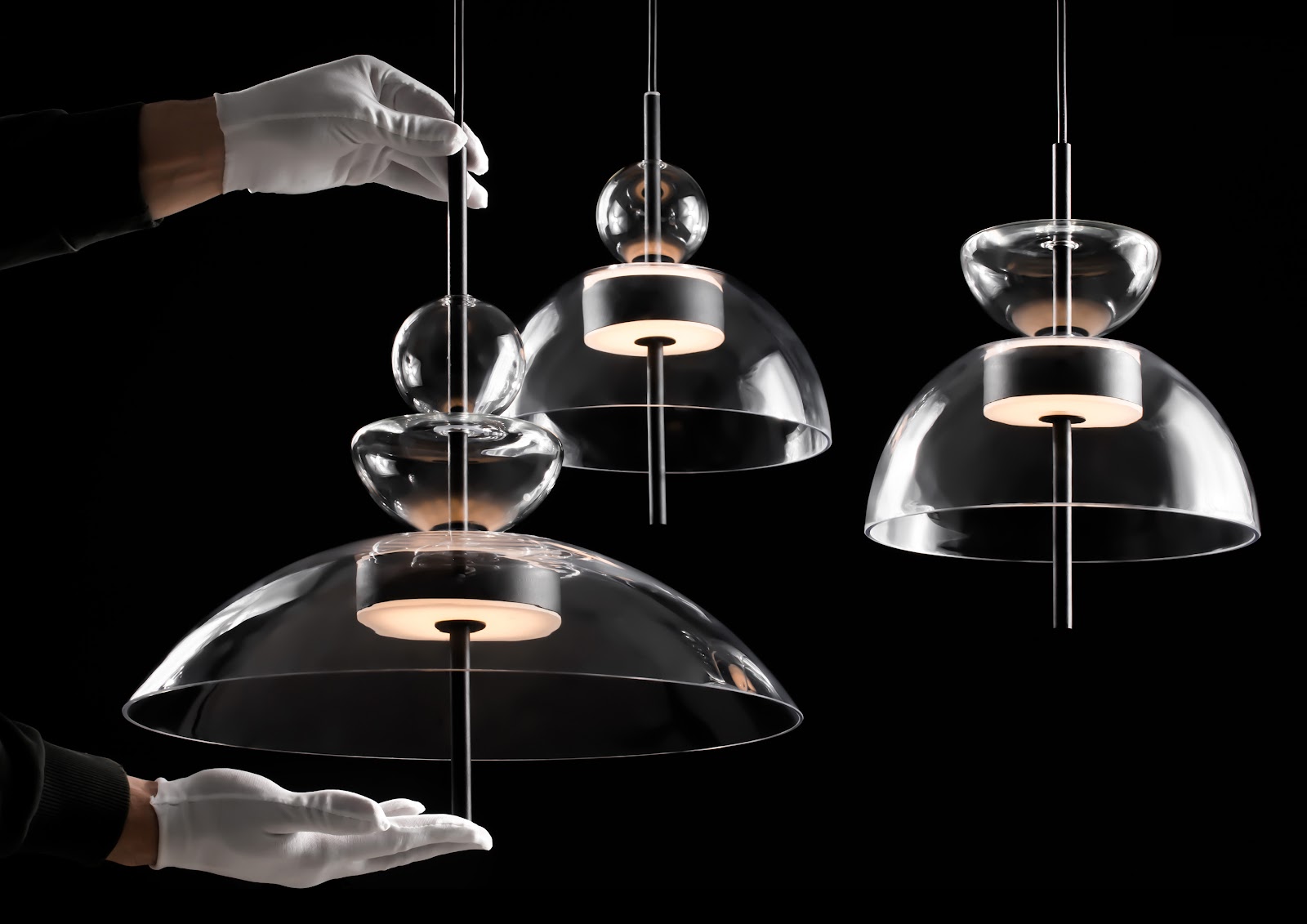
The Bangkok collection is inspired by ancient Thai temple architecture, particularly the tiered silhouettes of Buddhist wats. The visual concept is based on Wat Phra Kaew, the Temple of the Emerald Buddha in Bangkok. In traditional temple architecture, openings between the architectural tiers act as light windows, filling the central space with illumination and highlighting sacred relics. This principle became the basis of Bangkok: several glass volumes are arranged around a central element, while concealed LED sources above and below create a soft halo of light and evenly illuminate the glass.
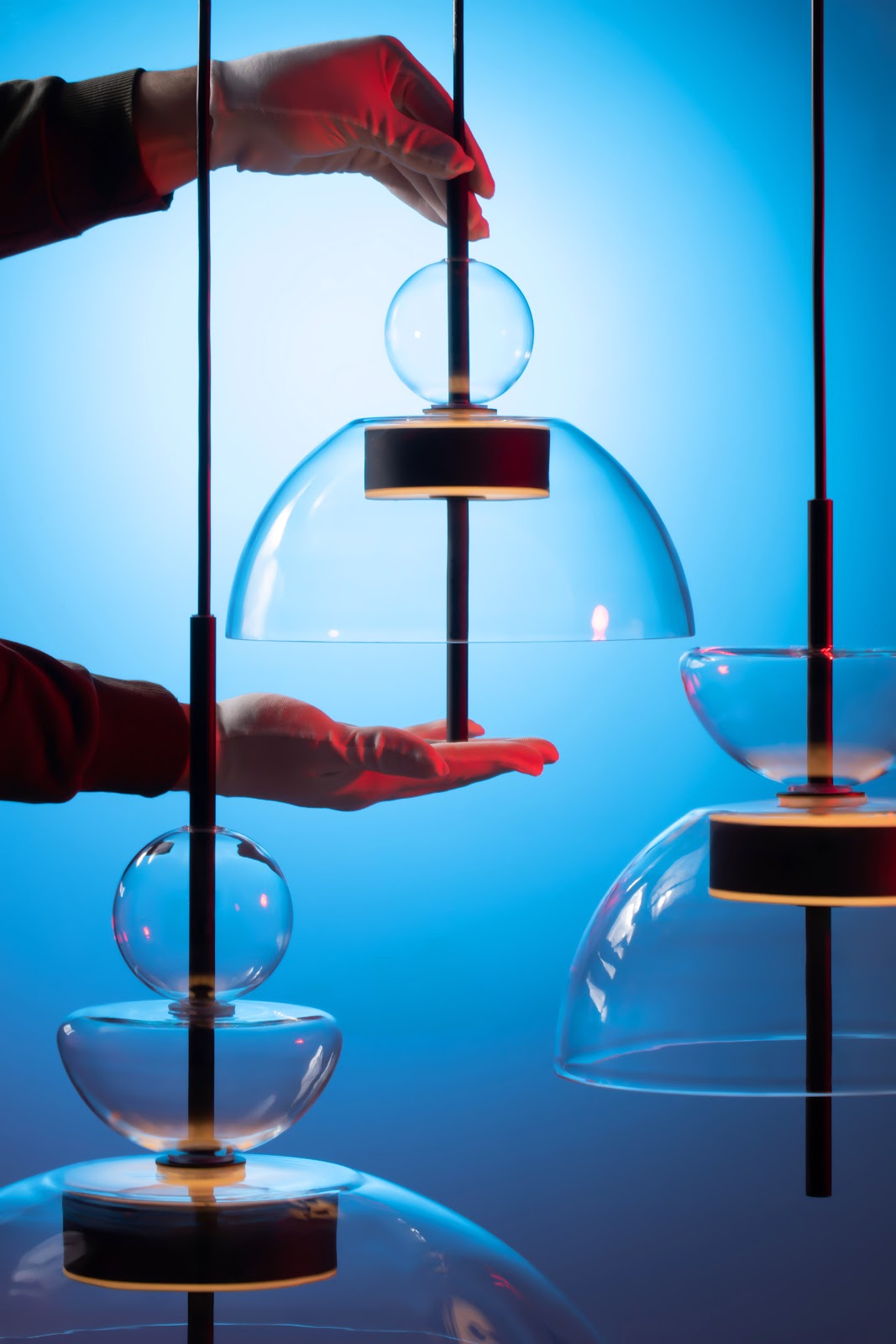
The traditional architectural forms were reinterpreted and simplified to preserve their recognizable tiered structure while giving the luminaires a contemporary and minimal character. The collection includes several complementary designs that can be combined into compositions reminiscent of Thai temple complexes.
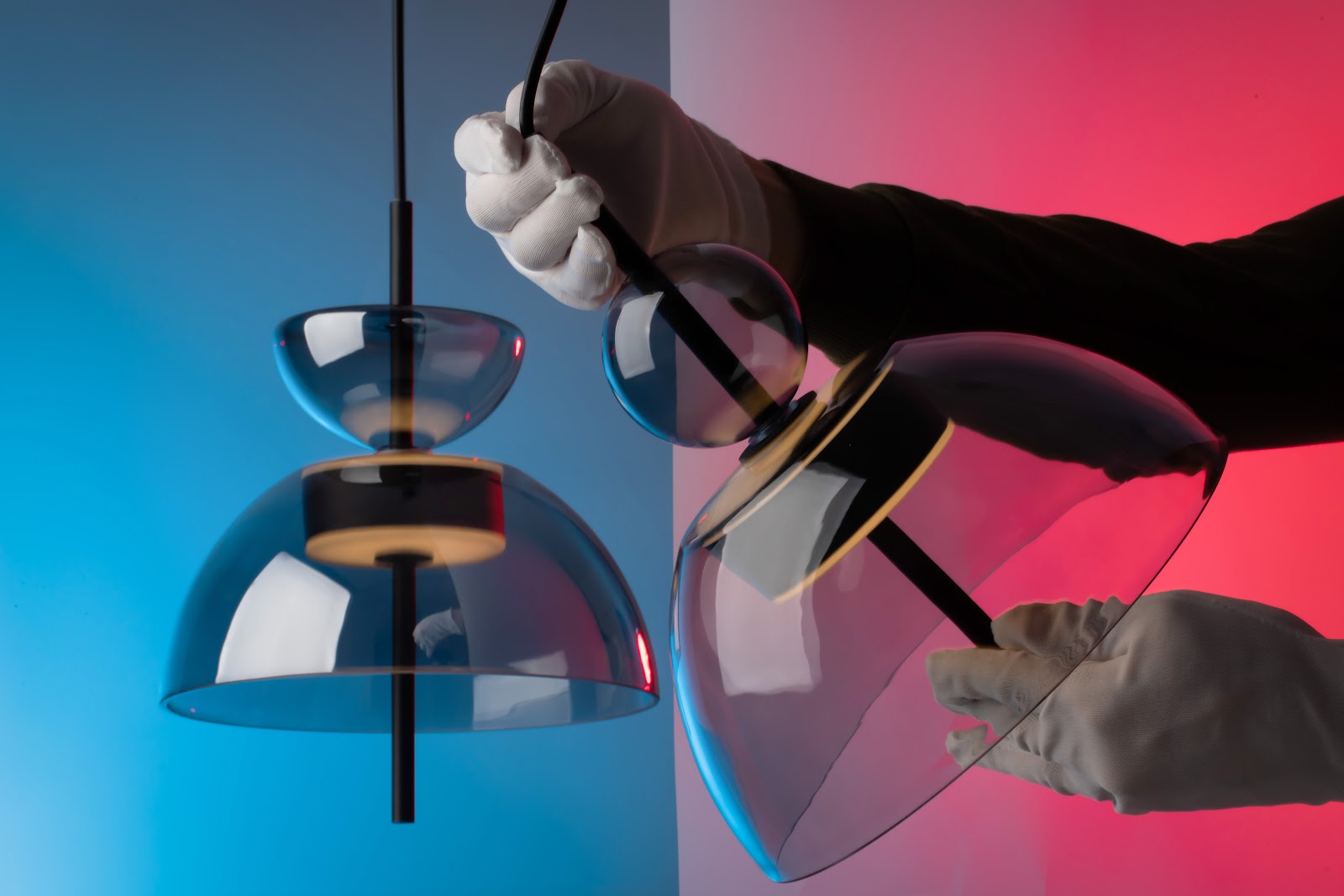
The choice of materials was also influenced by Thai architecture and its interaction with light. Temple exteriors are often decorated with glossy golden surfaces that create constantly changing reflections and highlights. For this reason, glossy tinted glass was selected for Bangkok, producing an expressive play of light across the luminaire. Versions in clear glass were also developed, allowing transparent and tinted models to be combined within the same composition.
LED boards are positioned above and below the central element and concealed behind matte diffusers. This creates soft, uniform illumination without visible points of light while emphasizing the form of the glass components. Each luminaire provides a luminous flux of at least 1,000 lumens, allowing Bangkok to be used not only for decorative and zoned lighting but also as a primary source of illumination.
The suspension height can be adjusted, making it possible to adapt the luminaires to different spaces and create multi-level compositions. A specially designed ceiling canopy houses the driver and uses magnetic fittings, eliminating visible screws and additional cable holders and preserving the clean silhouette of the design.
During development, particular attention was paid to light distribution, reflections on glass, and the interaction between different surfaces and the luminous flux. Several structural components are shared across different models, reducing the number of dedicated molds required and helping to optimize production resources.
Awards:
2023 — Design Now — “Light” category.
2023 — Russian Lighting Design — 1st place in the “Implemented Luminaire Project” category at Interlight Russia.
2024 — A' Design Award and Competition — Gold Winner in the “Lighting Products and Fixtures Design” category.
2024 — IF Design Awards — “Product / Lighting” category.